|
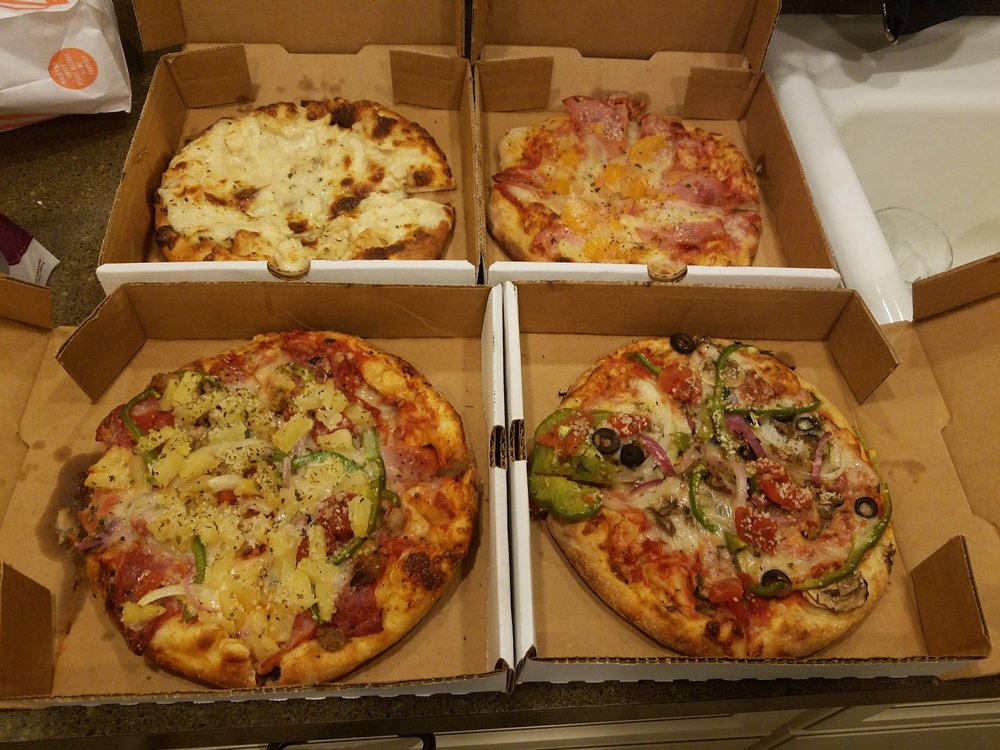
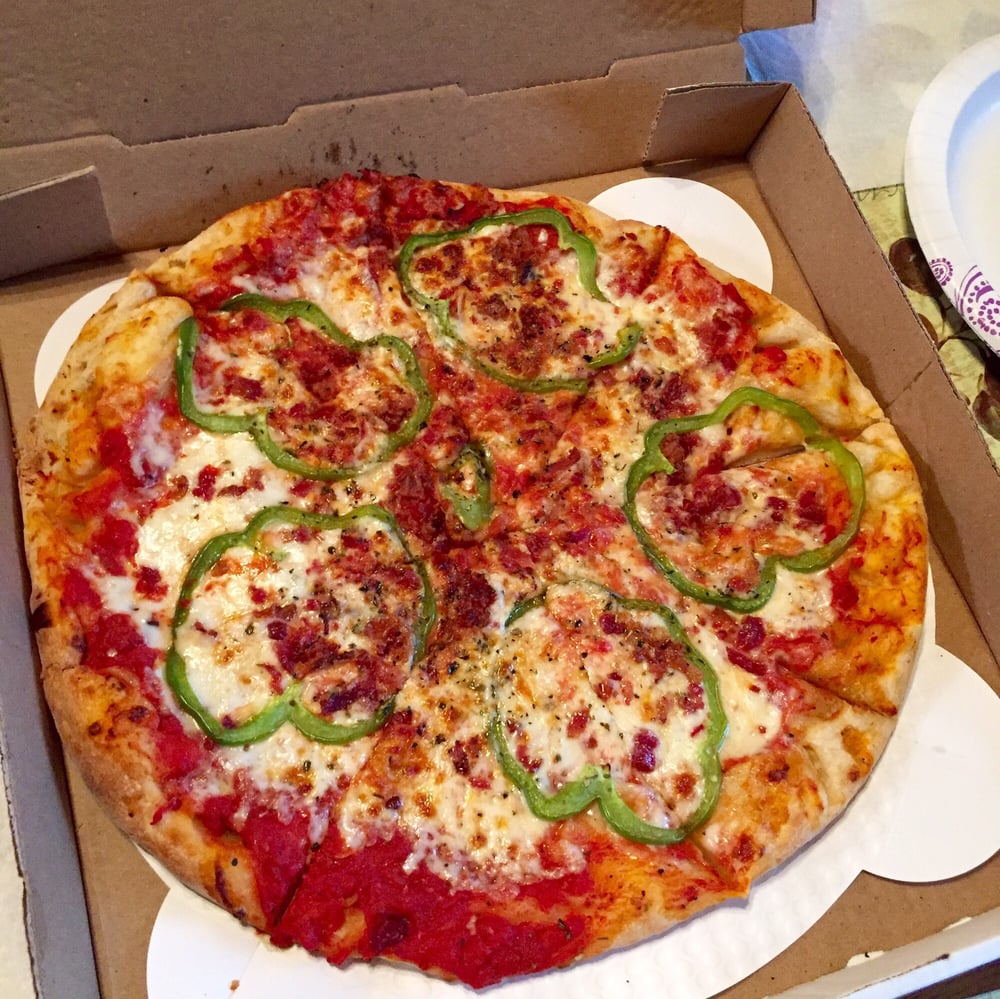
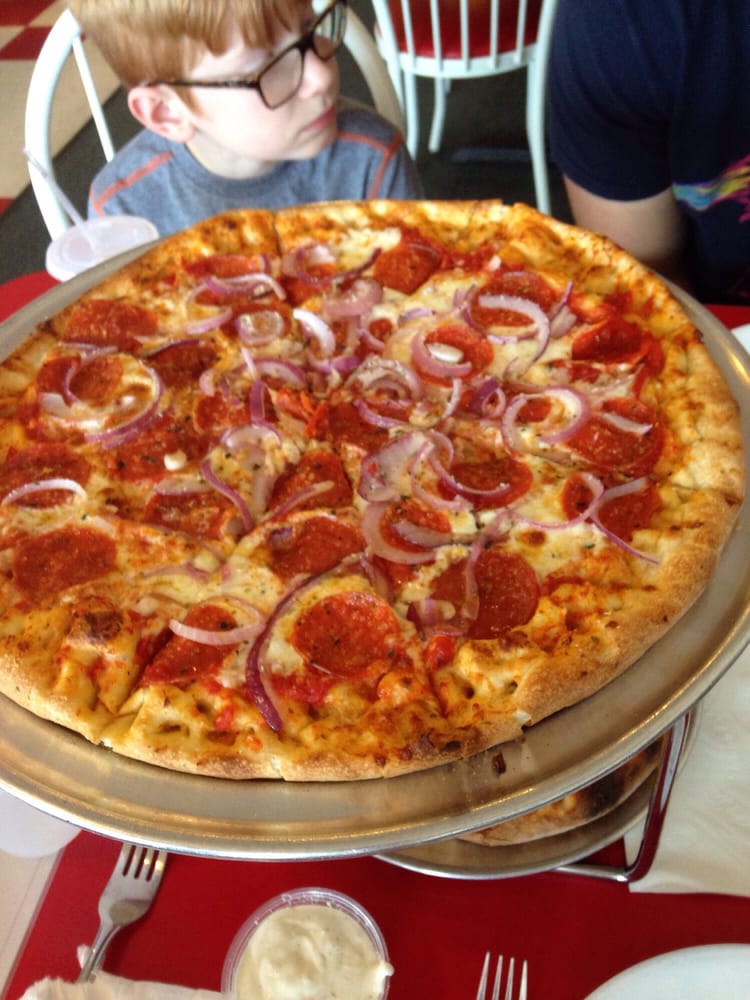
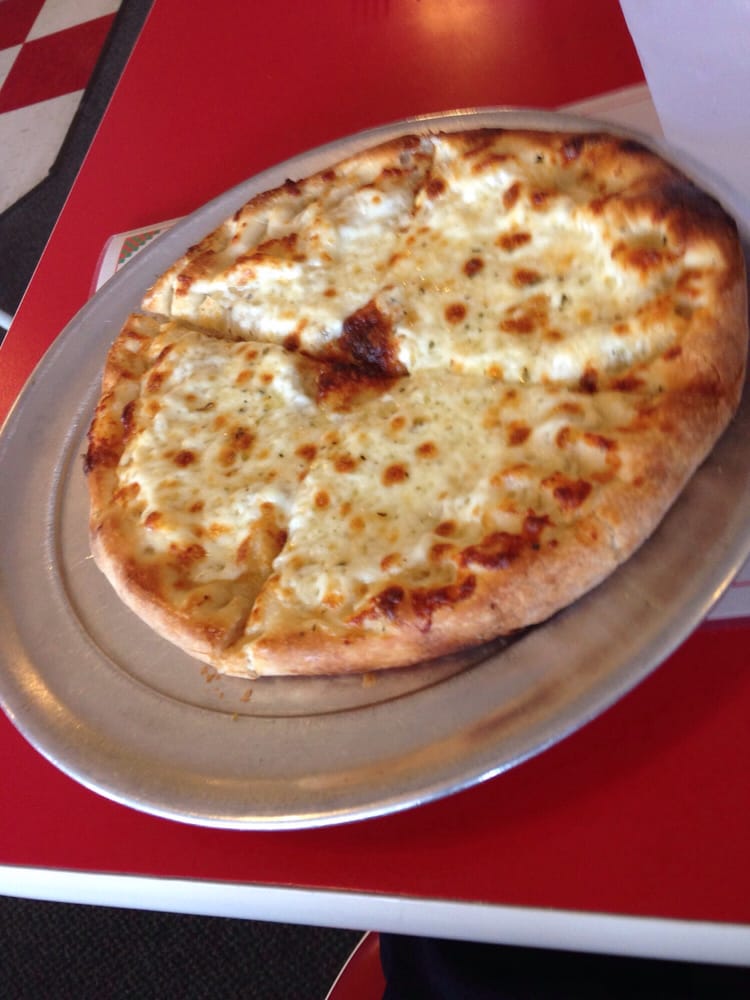
IS PIZZA PERFECT? Any way you slice it, pizza is a quick and easy dinner solution. New choices are more delicious than ever and even get a thumbs-up from nutritionists. Chicken, vegetable, spinach, shrimp, these aren’t selections from an upscale restaurant menu, they’re pizza toppings. These new and improved choices have helped to make pizza the No. 1 dinner choice in the U.S. But compared with the cheese and pepperoni covered cardboard-like offerings of years past, pizzas today are more than just exotic and better tasting, they can even be good for you, says Joan Carter, a registered dietitian and instructor at Baylor College of Medicine, in Houston. From folate in the crust to calcium in the cheese, not to mention the vitamins, antioxidants and protein from the meat or veggie toppings, pizza offers all sorts of health bonuses, from building stronger bones to possibly warding off certain cancers. Take a closer look: PIZZA POWER Disease fighter: Pizza sauce is rich in tomatoes, a good source of lycopene, an antioxidant that may protect against prostate and cervical cancers and heart disease. It may also help prevent age-related eye disorders that lead to blindness, such as macular degeneration and cataracts, recent studies show. Lycopene is more abundant in cooked tomatoes (like the ones in pizza sauce) than those fresh off the vine. In fact one slice of pizza contains about 10 mg of lycopene, which should be enough to let you reap the health benefits. And don’t discount the vegetable toppings on your pizza just because they’re on pizza. Researchers say pizza veggies offer as many health benefits as fresh produce. Some of the most nutrient-rich vegetable toppings are spinach and broccoli, both good sources of beta carotene and folate; and green and red peppers, which give you folate, potassium and disease-fighting antioxidants. Bone builder: Cheese is a great source of calcium, which helps build healthy bones and teeth. And just one slice of pizza can provide up to 20 percent of the daily recommended allowance of the mineral (1, 200 mg for women). To trim fat without skimping on calcium look for pizzas topped with part-skim mozzarella, which is leaner than cheddar, provolone and regular mozzarella, says Carter. PIZZA PITFALLS Still, some pies contain unhealthy surprises. But you can dodge them if you pat attention. Here’s what to watch for: Cholesterol: Traditional pizzas heavy on meat and cheese remain the most popular selections, so be sure to think about how much is a serving for you. Calculate how much a serving of the pizza would contribute to your daily allotments for fats and cholesterol (35 percent of daily calories for fat, 300 mg or less for cholesterol). Trans fat: The fact that your pizza is pepperoni-less and made with reduced-fat cheese doesn’t make it a low-fat food. Some fat may be hidden in the crust in the form of partially hydrogenated vegetable oil, a source of trans fat that is as bad for your heart as saturated fat. Although the amount of trans fat in pizza crust is less than you would find in pastries, you’d be better off finding a crust without it. Look for pizza crust with substantial amounts of healthy ingredients such as whole wheat, oat bran and wheat germ, says Melanie Polk, a registered dietitian with the American Institute for Cancer Research, in Washington, D.C. Salt: When you snack on potato chips, you know you’re eating salt. But did you know one slice of pizza may contain up to 30 percent of your recommended daily amount of sodium? “Just about everything that goes into pizza is high in sodium, except for the crust” says Carter. To reduce sodium on pizza, reduce the amount of meat toppings and increase the number of vegetable toppings. SOY CHEESE These days, even the strictest vegetarians who don’t eat dairy and people who are lactose intolerant can satisfy their pizza hankerings. Many purveyors of pizza are beginning to offer soy cheese alternatives. Although the taste of soy cheese doesn’t match the exact flavor of regular cheese, it is tasty and does have nutritional benefits. For starters, soy cheese has no cholesterol, while dairy cheese contains about 20 to 30 mg per ounce. In addition, soy cheese is generally lower in calories, about 60 to 70 calories per ounce compared with 80 to 110 calories in regular selections. And though soy cheese doesn’t have any less fat than the regular type, it has little saturated fat. Aside from being lower in calories and devoid of cholesterol, soy cheese also may help to fight heart disease. “There is evidence that soy can help lower cholesterol levels,” says Melanie Polk a registered dietitian with the American Institute for Cancer Research, in Washington, D.C.
Condensed from: Ladies’ Home Journal 2/04 By Maureen Kennedy
|